Most small business owners picture government contracting as one thing: find a solicitation on SAM.gov, write a proposal, win a contract with an agency. That's prime contracting, and it's a real path. But it isn't the only one, and for a newer company with little or no federal past performance it often isn't the easiest place to start.
There's a second door: subcontracting. Instead of working directly for an agency, you work for the company that holds the contract. You still do federal work and build a track record, often with less up-front risk.
This guide covers what subcontracting is, why primes need small business partners, where to find them, and how to get ready and pitch.
What Is a Government Subcontractor?
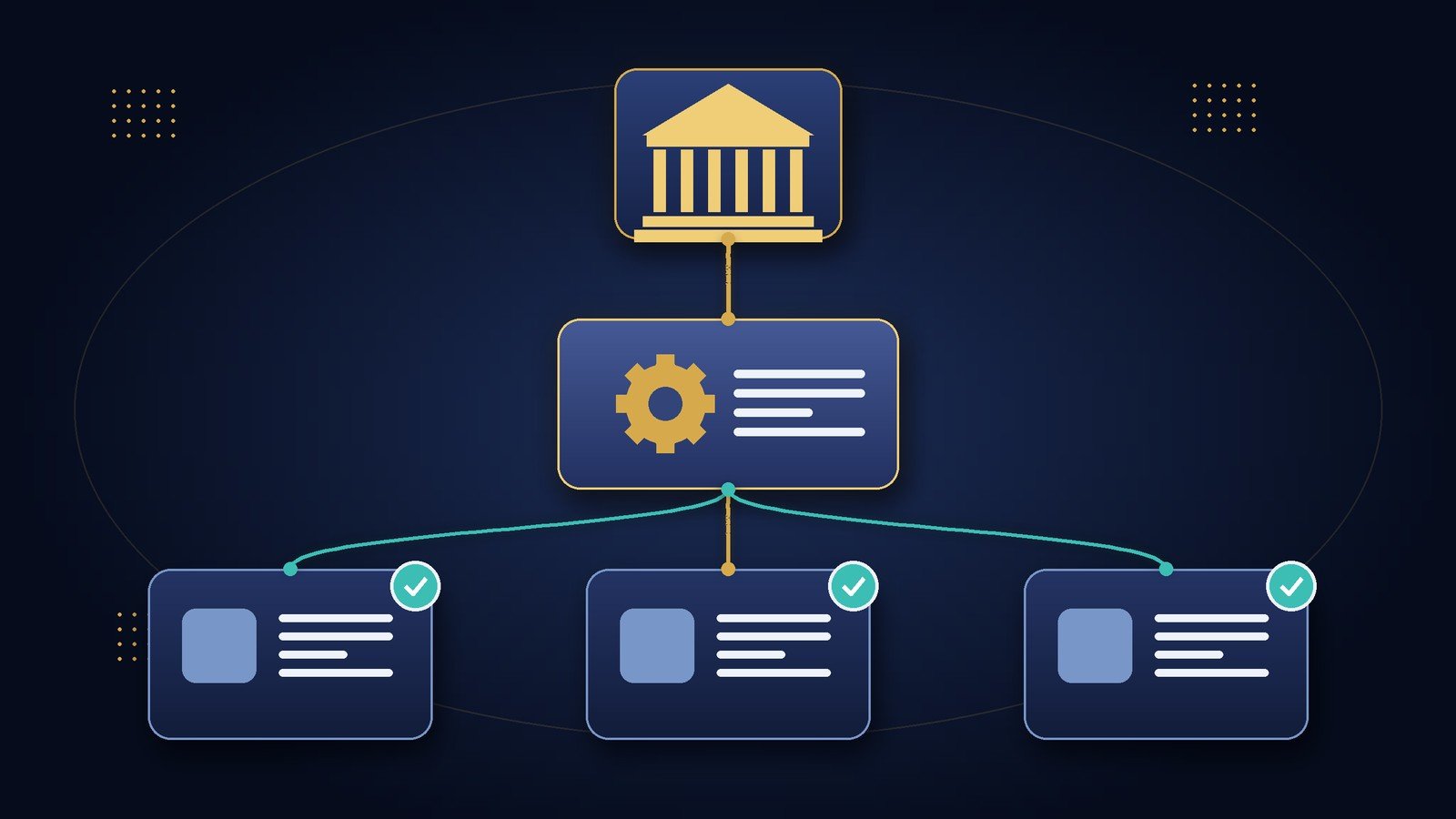
A prime contractor holds the contract with the government. A subcontractor is hired by that prime (or by another subcontractor) to perform part of the work.
The U.S. Small Business Administration puts the difference simply on its prime and subcontracting page: prime contractors work directly with the government and are responsible for making sure the work gets done as the contract defines, while subcontractors "do not work directly with the government, but instead work for other contractors." The SBA notes this lets businesses that aren't ready to work directly with a federal agency still take part in federal buying.
In practice, your contract, invoices and day-to-day relationship are with the prime, not the agency, and the prime decides who it teams with. The work can be almost anything the prime needs: IT support, staffing, training, facilities, logistics, construction trades and more.
If you're still deciding whether federal work fits your business at all, start with our small business readiness guide to government contracting, then come back here.
Why Prime Contractors Need Small Business Subcontractors
This isn't charity. Federal rules give large primes real reasons to find capable small businesses.
Small business subcontracting plans
Under FAR 19.702, when a contract with subcontracting possibilities is expected to exceed $900,000 ($2 million for construction), the apparently successful offeror generally must submit an acceptable small business subcontracting plan. If it can't negotiate an acceptable plan, it's ineligible for award. Small businesses themselves are exempt from this requirement, so it falls mainly on large companies.
The required plan clause, FAR 52.219-9, has the prime set goals for subcontracting to small businesses, including veteran-owned, service-disabled veteran-owned, HUBZone, small disadvantaged and women-owned small businesses. Primes then have to report on how they're doing. A prime with goals to meet is a prime that's actively looking for qualified partners.
Limitations on subcontracting for small business primes
There's a flip side. When a small business wins a set-aside contract, it must keep a minimum share of the work in-house or with "similarly situated" firms. For services (other than construction), 13 CFR 125.6 says the small prime can't pay more than 50% of what the government pays it to firms that aren't similarly situated.
What that means for you: if you're a small business, another small business prime holding a set-aside may be able to subcontract to you while staying within its limits, especially if you share the same status. Ask about it when you're talking to small primes.
These rules have exceptions and change over time. Confirm details for any specific contract with the contracting officer or a government contracts attorney.
Subcontracting vs. Prime Contracting: Which Should You Start With?
| Subcontracting | Prime contracting | |
|---|---|---|
| Who you work for | A prime contractor | A federal agency |
| How you get work | Relationships, teaming, prime supplier portals | Responding to solicitations |
| Past performance needed | Often less to start | Usually weighs heavily in evaluations |
| Compliance load | Flowed down by the prime | Full responsibility on you |
| Margin and control | Usually lower | Usually higher |
| Best for | Building a track record and learning programs | Firms with proven capability and capacity |
Many firms do both: subcontract to build experience and references, then pursue prime work in the areas where they've proven themselves.
Where to Find Prime Contractors and Subcontracting Opportunities

SBA's directory of primes with subcontracting plans
The SBA publishes a Directory of Federal Government Prime Contractors with Subcontracting Plans. It's generated from federal procurement data and lists contractors that have a requirement to subcontract to small businesses. Use it to build a target list of primes working in your industry and with the agencies you want to serve.
SBA SubNet
SubNet is SBA's subcontracting network. Prime contractors post subcontracting opportunities there, and small businesses can browse and filter them by state or keyword. Questions go to the point of contact on the posting, not the SBA.
Agency subcontracting directories
Several agencies publish their own lists of large primes. The SBA links to directories from the Department of Transportation, GSA and USDA, among others. GSA's Find opportunities page also points to its forecast of contracting opportunities tool, which shows planned procurements before they're solicited. That gives you time to approach likely bidders early.
Award history on USAspending.gov
Who already wins the contracts you want to work on? USAspending.gov shows federal award data by agency, recipient and industry code. Look up the agencies and NAICS codes that match your services, note which companies keep winning, and add them to your list.
Make sure primes can find you
Primes use the SBA's Small Business Search (formerly the Dynamic Small Business Search) to find partners. The SBA advises keeping that profile complete, including your capabilities narrative, keywords, NAICS codes, certifications and performance history. Much of that profile comes from your SAM.gov registration, so keep both accurate and consistent.
How to Get Your Business Ready to Subcontract
Step 1: Get the foundation right
Primes are taking a risk on you, so they want to see a real, organized company: a formed entity, an EIN, a business bank account and records that match everywhere. If you've just formed your company, work through our post-formation checklist first. Still choosing a structure? Our Business Formation Packages cover entity setup.
Step 2: Register in SAM.gov
Many primes will ask for your Unique Entity ID (UEI), and full registration in SAM.gov is what makes you searchable governmentwide and lets you pursue prime work later. GSA's Register your business page walks through the process and notes that you don't need to pay a third party to complete it. Registration can take several days to complete and validate, so start early.
Step 3: Confirm your NAICS codes and size
Choose NAICS codes that honestly describe what you do using the Census Bureau's NAICS tool, then check whether you count as small for each one with the SBA size standards. Size depends on the code, so you may be small in one industry and not another.
Step 4: Build a capability statement aimed at primes
Your capability statement is the one-page summary you'll send to every prime. For subcontracting, write it for the prime's problem, not the agency's:
- Core competencies: the two to four things you do best, in plain language
- Past performance: commercial and government work, with results you can back up
- Differentiators: why a prime should team with you instead of someone else
- Company data: UEI, CAGE code (if assigned), NAICS codes, any certifications you actually hold, and a point of contact
Our Government Contracting page shows how we present LGS to procurement teams, including a downloadable capability statement you can use as a format reference.
Step 5: Get your operations audit-ready
Primes pass federal requirements to you through flow-down clauses and judge you on reliability. Before you sign, make sure you have documented processes, timekeeping and invoicing that hold up to review, cybersecurity basics if you'll touch government data, and enough people to staff the work. If capacity is the gap, LGS Virtual Staffing can help you add trained remote support without a long hiring cycle.
How to Pitch a Prime Contractor
Primes get a lot of generic outreach. Stand out by being specific.
- Pick the right primes. Use the directory, USAspending and forecasts to find primes that work in your NAICS codes with your target agencies.
- Find the small business liaison. Many large primes have a small business program office. Start there, and register on their supplier portal if they have one.
- Lead with their need. Reference the agency, program or upcoming opportunity, and explain which piece of the work you can take off their plate.
- Attach your capability statement and offer a short call.
- Follow up and show up. Attend industry days and matchmaking events. Relationships win teaming spots more often than cold emails do.
Teaming agreements
Primes and subs often formalize plans in a teaming agreement before a proposal goes in. The FAR recognizes these contractor team arrangements, where a potential prime agrees to have other companies act as its subcontractors on a specific contract or program. Read every teaming agreement carefully: scope, workshare, exclusivity and what happens if the prime wins or loses. Have an attorney review it.
Mentor-protégé and joint ventures
Once you have some experience, the SBA Mentor-Protégé Program lets eligible small businesses partner with experienced contractors for business development help. A mentor and protégé can also form a joint venture to compete for set-aside contracts the protégé qualifies for.
Free help
APEX Accelerators (formerly Procurement Technical Assistance Centers) offer free or low-cost help with registration, finding opportunities and connecting with primes.
Common Subcontracting Mistakes to Avoid
- Mass-emailing every prime with the same generic pitch
- Overstating capabilities or listing certifications you don't hold
- Letting SAM.gov lapse or leaving your Small Business Search profile half-filled
- Signing a teaming agreement you haven't read, especially exclusivity terms
- Skipping flow-down clauses in your subcontract and discovering requirements after you've started
- Underpricing to get in the door, then struggling to staff or deliver
Frequently Asked Questions
Do I need to be registered in SAM.gov to be a subcontractor?
Not always, but plan on it. Requirements depend on the prime and the contract, and many primes ask for a UEI. Full SAM.gov registration also feeds your Small Business Search profile, which is one way primes find partners, and you'll need it to bid as a prime later.
Do I need a small business certification to subcontract?
No. Any business can subcontract. But primes set goals for specific categories like women-owned, HUBZone, veteran-owned and service-disabled veteran-owned small businesses, so a status you legitimately qualify for can make you more attractive. See the SBA certifications page for eligibility.
How do I find out which primes have subcontracting plans?
Start with the SBA's directory of federal prime contractors with subcontracting plans, then check SubNet postings, agency subcontracting directories and award history on USAspending.gov.
Is subcontracting a good way to build past performance?
It's one of the most common ways. Work you perform as a subcontractor can often be described in future proposals, so document your results and ask your prime for a reference when the work goes well.
Who do I get paid by as a subcontractor?
The prime contractor, under your subcontract's terms. FAR 19.702 states a federal policy that primes should pay small business subcontractors on time, but your actual payment terms come from your agreement, so negotiate them clearly.
This article is general information, not legal, tax or financial advice. Federal acquisition rules and thresholds change. Confirm requirements for your situation with the relevant agency, an APEX Accelerator or a qualified professional.
Ready to Find Your First Prime Partner?
Subcontracting works best when your foundation, documents and delivery capacity are in place before you start knocking on doors. LGS helps founders get there, from entity setup and operations to staffing and positioning for federal work.
Book a 30-minute Service Q&A to talk through where you are, or contact our team. Prefer to start on your own? Grab our Free Business Road Map and work the phases at your own pace.