The Strategic Mind of Alexander the Great: Lessons for Modern Business Leaders
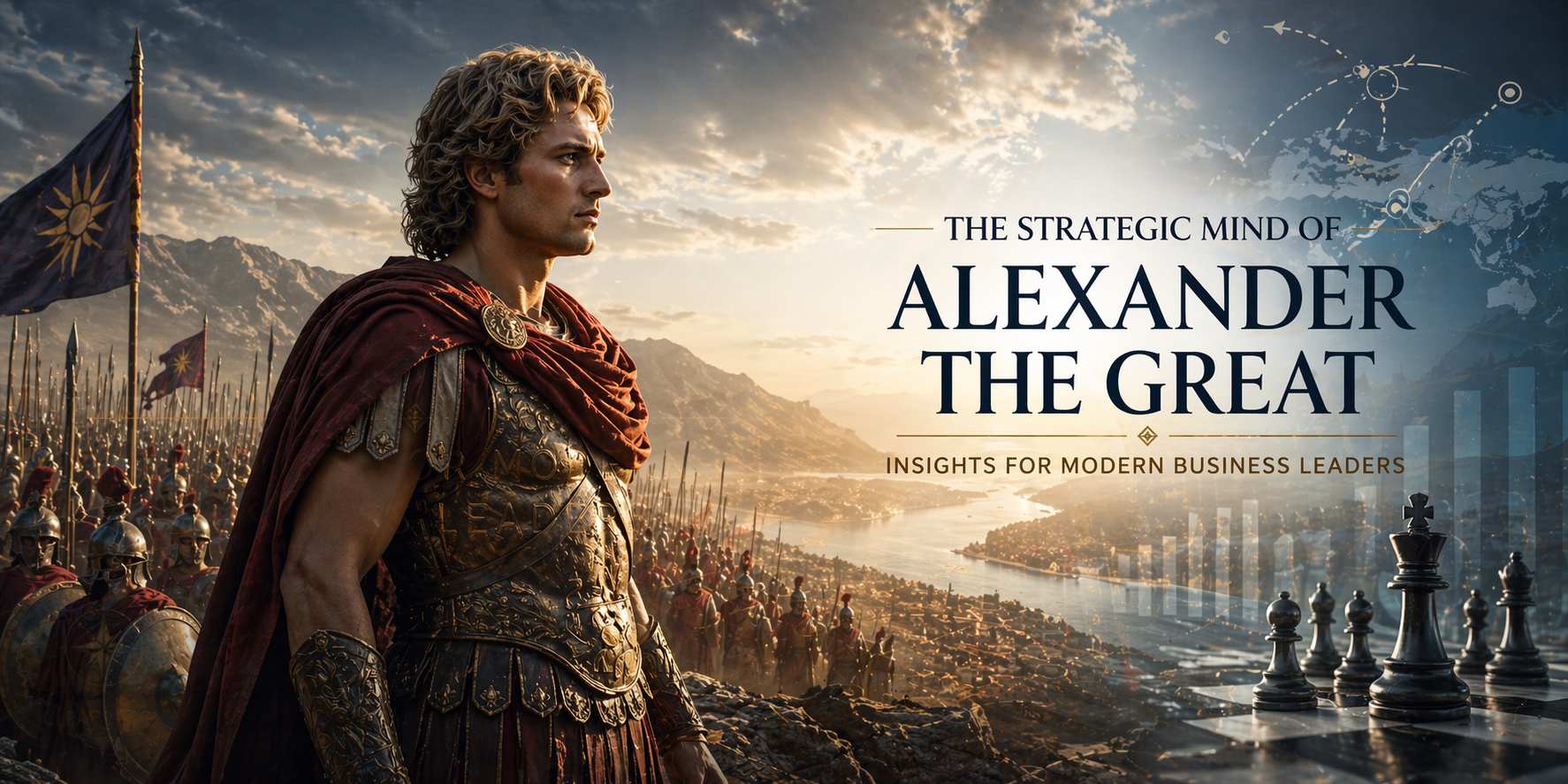
Strategy is often viewed as a modern discipline—filled with frameworks, analytics, and boardroom discussions. Yet, more than 2,000 years ago, Alexander the Great demonstrated a level of strategic mastery that still influences how leaders think today. His success was not merely the result of ambition, but of calculated decisions, disciplined execution, and a deep understanding of positioning.
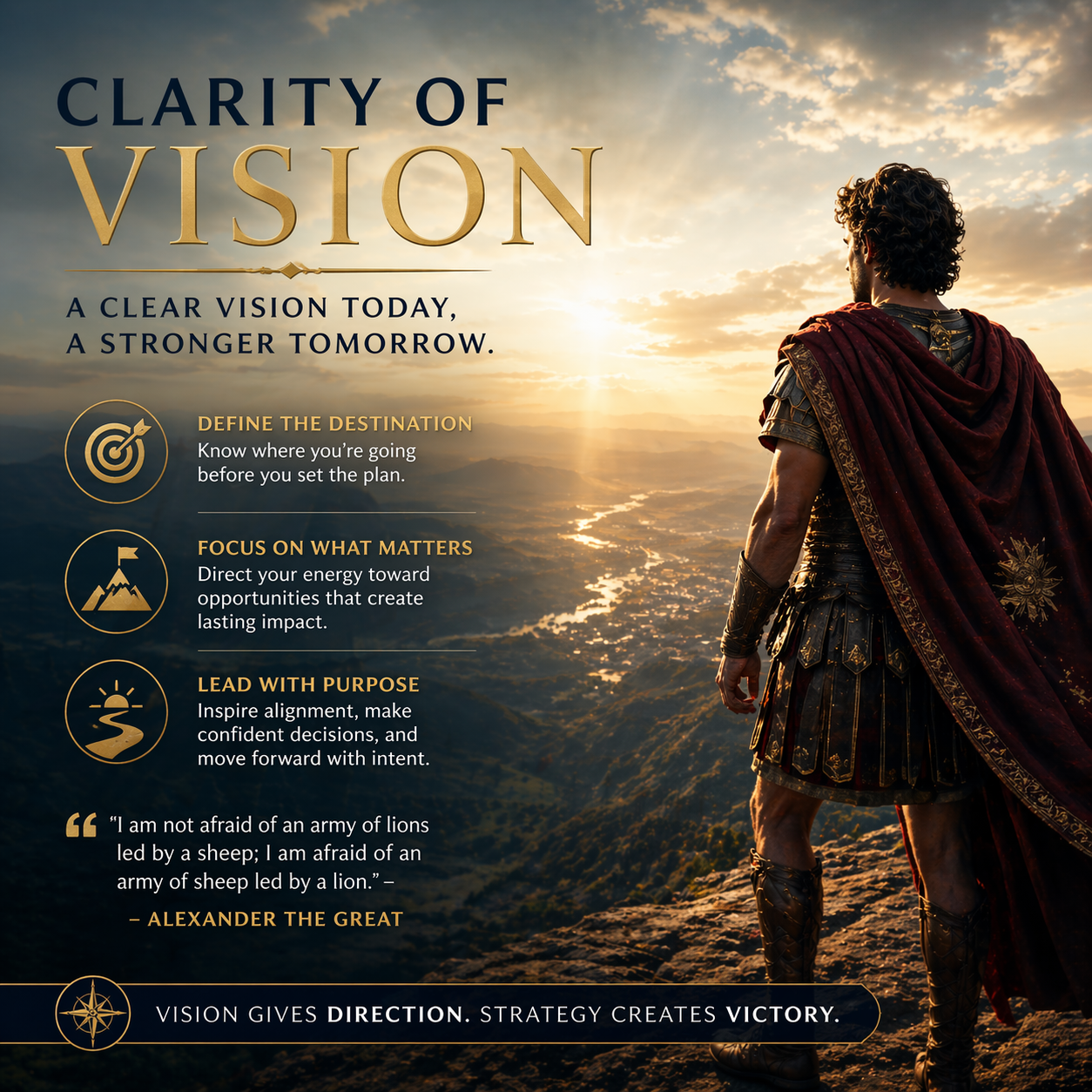
Alexander’s approach to strategy began with clarity of vision. He did not pursue expansion blindly; every campaign was part of a broader objective—to unify territories and secure long-term dominance. In business, this reflects the importance of defining a clear direction before scaling operations. Companies that lack this clarity often spread resources too thin, resulting in inefficiency and missed opportunities.
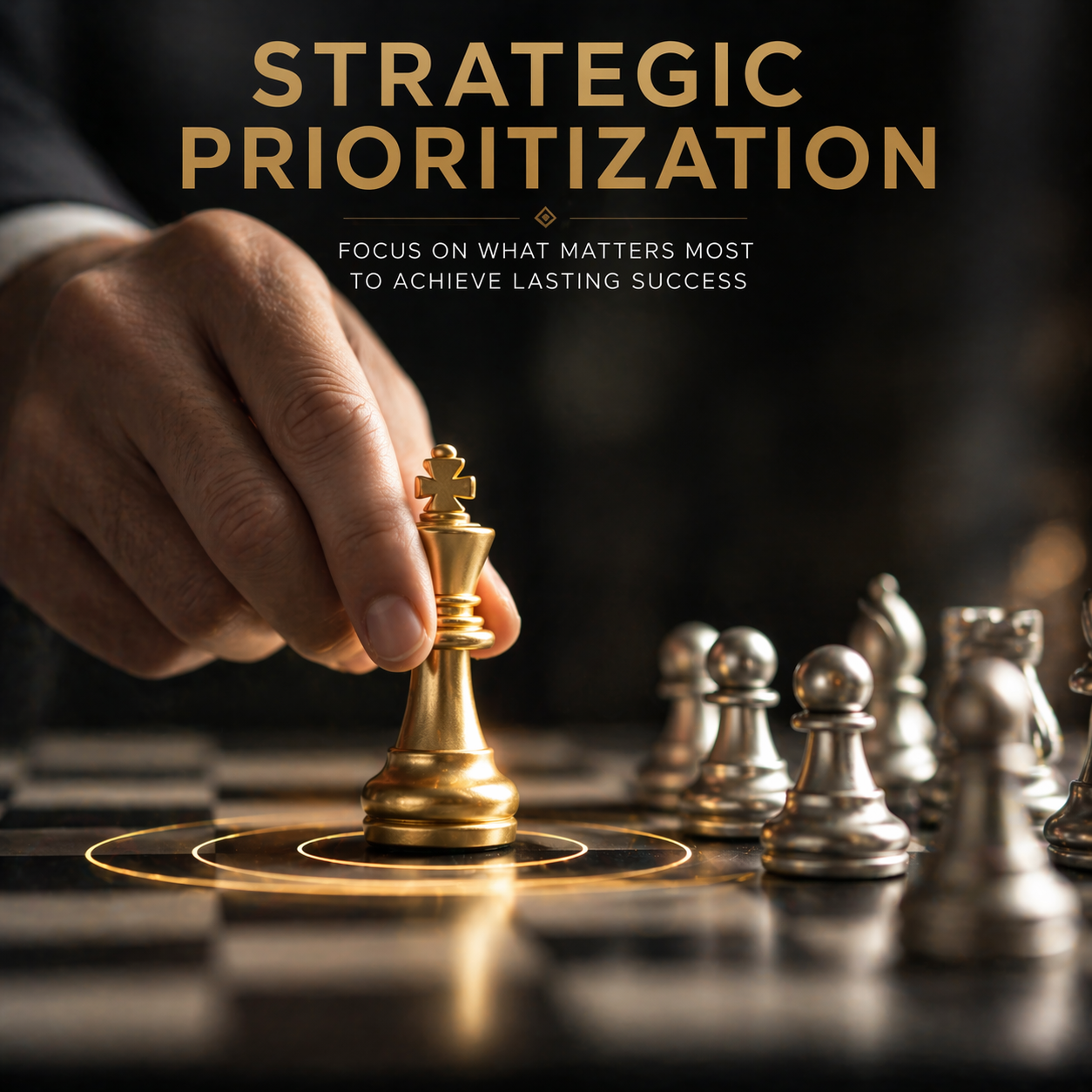
Another defining element of his leadership was strategic prioritization. Rather than attacking every possible target, Alexander focused on high-value regions that unlocked further expansion. This principle directly translates to modern markets: organizations that identify and dominate key segments first are far more likely to achieve sustainable growth. Strategy, at its core, is about choosing where to compete—and just as importantly, where not to.
Adaptability was equally central to his success. Alexander continuously adjusted his tactics based on terrain, enemy behavior, and timing. He did not rely on rigid plans; instead, he built flexible strategies that could evolve in real time. Today’s business environment demands the same approach. Rapid technological advancements, shifting consumer expectations, and global competition require organizations to remain agile and responsive.
-
A well-defined strategy provides direction, alignment, and decision-making clarity across the organization. When leadership clearly communicates priorities, teams can focus their efforts on high-impact initiatives rather than scattered activities. This reduces wasted resources and ensures that every action contributes to measurable business outcomes. In contrast, companies without a clear strategy often struggle with inconsistent execution and slower growth.
-
Agility allows businesses to adapt quickly to shifting customer demands, emerging technologies, and competitive pressures. Instead of relying on rigid, long-term plans, agile organizations implement flexible processes that enable rapid testing, learning, and iteration. This responsiveness not only minimizes risk but also creates opportunities to capitalize on trends before competitors do—making adaptability a critical advantage in fast-moving markets.
-
Rather than trying to capture a broad market immediately, successful companies often begin by establishing authority within a specific niche. This focused approach allows them to refine their value proposition, build brand credibility, and create a loyal customer base. Once a strong foundation is established, expansion becomes more strategic and sustainable. Scaling without this initial dominance can lead to diluted positioning and weaker competitive advantage.
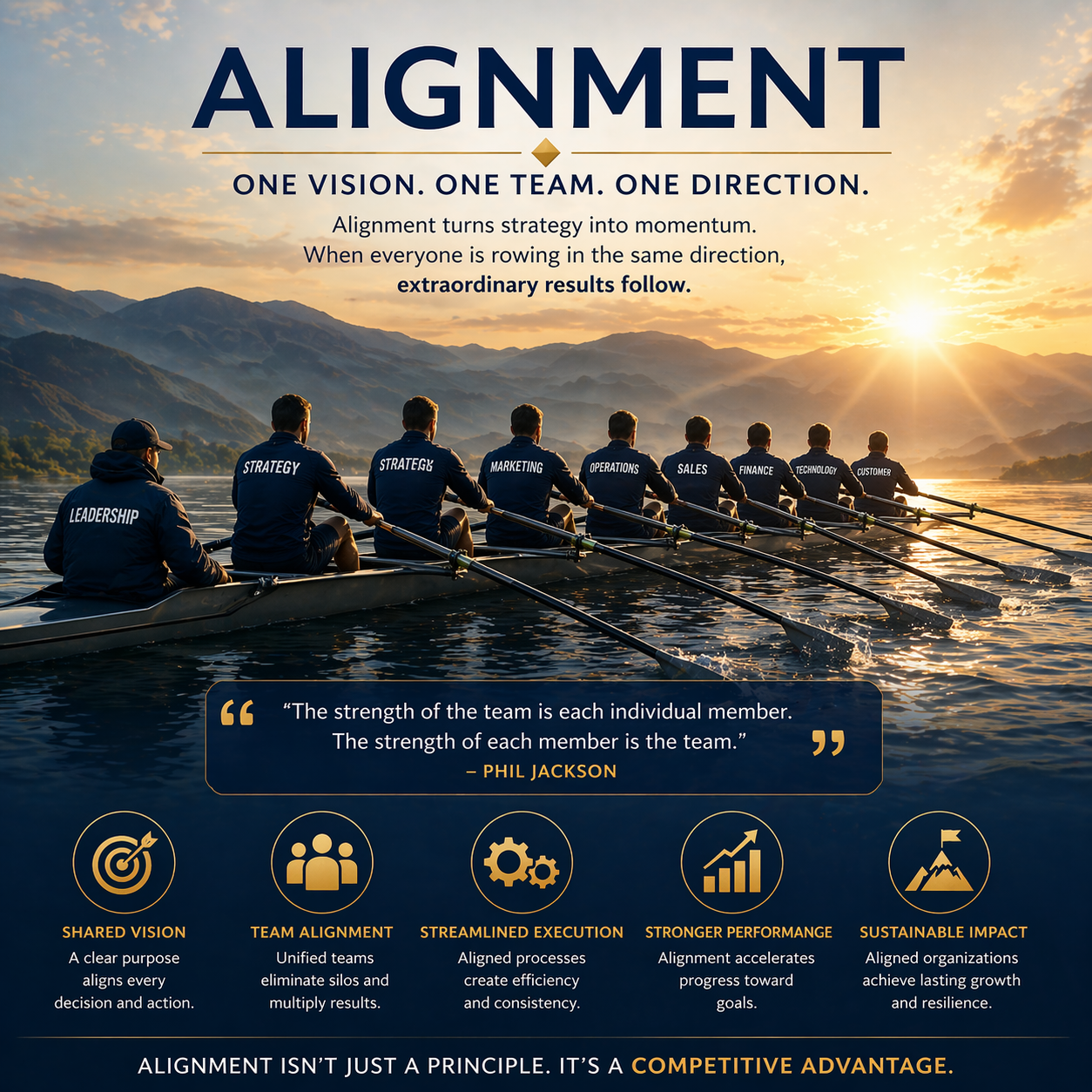
Perhaps one of Alexander’s most overlooked strengths was alignment. His army operated with a shared understanding of the mission, ensuring that every action supported the overall objective. In contrast, many modern organizations struggle with disconnects between leadership vision and operational execution. Without alignment, even the most well-crafted strategies fail to deliver results.
Conclusion
The strategic principles demonstrated by Alexander the Great remain highly relevant in today’s business landscape. Clear vision, focused execution, adaptability, and organizational alignment are not just historical lessons—they are essential components of modern success.
As markets become more complex and competitive, businesses must move beyond surface-level planning and adopt strategies that are both intentional and adaptable. The difference between growth and stagnation often lies in how effectively strategy is designed and executed.
If your organization is ready to strengthen its strategic direction and turn insights into measurable results, now is the time to act.
Book a meeting with our team today to explore how modern strategic frameworks can help you scale with clarity, precision, and confidence.