You registered in SAM.gov, picked your NAICS codes and started looking at opportunities. Then a contracting officer, a small business specialist or a prime contractor asks the question every new government contractor hears: "Can you send me your capability statement?"
That one page often decides whether the conversation keeps going. A strong one tells a busy buyer what you do, proves it and makes you easy to verify. A weak one reads like a brochure and gets skipped.
This guide walks through how to write a capability statement for government contracting: what it is, the five sections it needs, a step-by-step writing process, a fill-in template and the mistakes to avoid.
What Is a Capability Statement?
A capability statement is a short marketing document that introduces your company to government buyers and prime contractors, like a resume for your business.
The U.S. Small Business Administration describes it in its 8(a) capabilities statement guide as "a one-pager (front and back is acceptable) for an initial meet and greet," and advises: "Think of your capabilities statement as a snapshot of your company. Focus on how your capabilities meet the customer's needs."
That last line is the whole game: it's not about everything you can do, but what this customer needs and why you can deliver it.
If you're earlier in the process and haven't registered yet, start with our small business readiness guide to government contracting, then come back here.
When You'll Use a Capability Statement
You'll send or hand over your capability statement in more situations than you might expect:
- Introductions to contracting officers and small business specialists. Agencies research the market before they buy. Under FAR 10.002, market research techniques include "Contacting knowledgeable individuals in Government and industry regarding market capabilities to meet requirements." Your capability statement is how you show up in that research.
- Responses to sources sought notices and requests for information. The SBA guide lists a "capabilities response" as a capabilities statement in response to a Sources Sought or Request for Quote (RFQ).
- Prime contractor outreach. Large primes looking for small business partners will ask for it before they take a call. See our guide on how to become a government subcontractor for how that outreach works.
- Your online profiles. The SBA recommends making sure your SAM and Small Business Search profiles "are in sync with your capabilities statement."
The 5 Core Sections of a Capability Statement
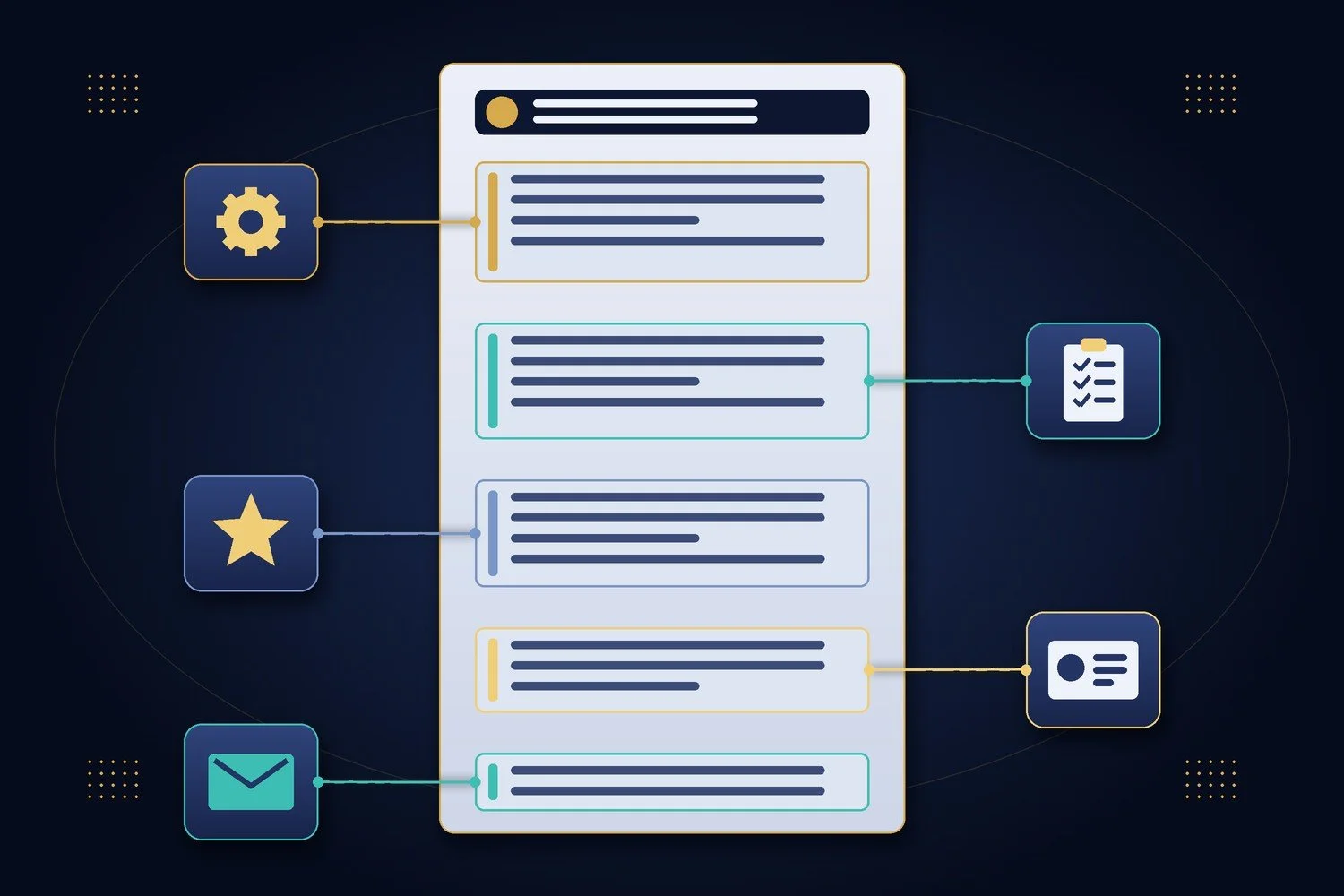
Formats vary, but the SBA guide names five core elements of a strong capabilities statement: core competencies, differentiators, past performance, corporate data and contact information. Here's how to approach each one.
1. Core competencies
These are the services or solutions you deliver best. The SBA describes them as what you "bring to the market with a high degree of success." List two to five, in plain language, using the same words your target agency or prime uses in its solicitations and mission statements. Lead with a one- or two-sentence summary of what you do and for whom, then use short bullets.
2. Past performance
Past performance is proof. List relevant projects, ideally with the customer, what you did and the result. The SBA frames it as "Relevant problems you have solved and the outcomes you achieved for the customer." Commercial work counts, and the SBA notes that "past performance as a subcontractor can be more relevant than prime past performance in some cases." Only list results you can back up, and get permission before naming a client.
3. Differentiators
This section answers "why you instead of the next company?" The SBA calls differentiators "What sets you apart from other companies in your field." Be specific: a specialized process, relevant experience, the way you deliver, or capacity you can prove. Skip vague claims like "quality service" or "customer focused," because every competitor says the same thing.
4. Company data
This is where a contracting officer or prime confirms you're real and eligible. Include the identifiers that apply to you:
- UEI (Unique Entity ID). Issued through SAM.gov. GSA calls the UEI "now the authoritative identifier for those doing business with the federal government," so put it front and center. If an older template asks for a DUNS number, use your UEI.
- CAGE code. GSA's Register your business page explains that SAM.gov collects the information used to issue both the UEI and the commercial and government entity (CAGE) code.
- NAICS codes. List your primary code first, then the others that truly match the work. Look codes up with the Census Bureau's NAICS tool and confirm you're small for each one with the SBA size standards tool.
- PSC codes (optional). Product and Service Codes describe what the government buys. The official PSC Manual is published on Acquisition.gov.
- Certifications and socioeconomic status. Only list ones you actually hold, such as SBA certifications described on the SBA certifications page. Never list a status you're still applying for as if it's approved.
- GSA schedule or contract vehicles, if you have them.
5. Contact information
Make it easy to reach a real person. The SBA guide suggests including your website, address, where you operate and "at least two ways they can reach the staff contact (e.g., phone number and email)." Use a named point of contact, not a generic inbox if you can avoid it.
How to Write a Capability Statement, Step by Step
Step 1: Pick your target first
Decide who the statement is for before you write a word: a specific agency, a program office or a prime contractor. Read their mission, recent solicitations and the language they use. If you don't know who you're targeting yet, our post on why government contracting is an overlooked growth opportunity can help you think through where your business fits.
Step 2: Pull your official data from SAM.gov
Copy your legal business name, UEI, CAGE code and NAICS codes exactly as they appear in your SAM.gov registration. GSA advises making sure your business name, address and ownership details are consistent across IRS, SAM.gov and SBA records. Your capability statement should match too.
Step 3: Draft your core competencies in the buyer's words
Open with a line connecting what you do to what the target needs, then add bullets using the keywords from their requirements. Cut anything unrelated.
Step 4: Gather proof for past performance
Pick two to four projects that match the target's needs. For each, note who the customer was, what you delivered and the outcome. If you're brand new to federal work, use relevant commercial projects or work you've done as a subcontractor.
Step 5: Write differentiators you can defend
For every differentiator, ask: "Could a competitor say this too?" If yes, make it more specific or cut it. Then ask: "Can I prove it?" If not, leave it off.
Step 6: Design for a fast scan, then save as a PDF
Keep it to one page. Use clear headings, short bullets, your logo and white space so a reader can find your UEI or NAICS code in seconds. Save it as a small PDF with your company name in the file name.
For a working example, our Government Contracting page shows how LGS presents itself to procurement teams, with at-a-glance company data, core competencies, differentiators, NAICS and PSC codes and a downloadable capability statement.
A Simple Capability Statement Template
Use this outline as a starting point. Fill in only what's true for your business.
Header: Company name and logo · "Capability Statement" · point of contact name, title, phone, email and website
Company overview: One or two sentences on what you do and who you serve
Core competencies:
- Competency 1, in the buyer's language
- Competency 2
- Competency 3
Past performance:
- Customer · what you delivered · result
- Customer · what you delivered · result
Differentiators:
- Specific, provable reason 1
- Specific, provable reason 2
Company data: UEI · CAGE code · primary NAICS and other NAICS codes · PSC codes (optional) · certifications you hold · contract vehicles (if any)
Contact: Name · phone · email · website · address or service area
Tailor It: One Master Version, Several Targeted Versions
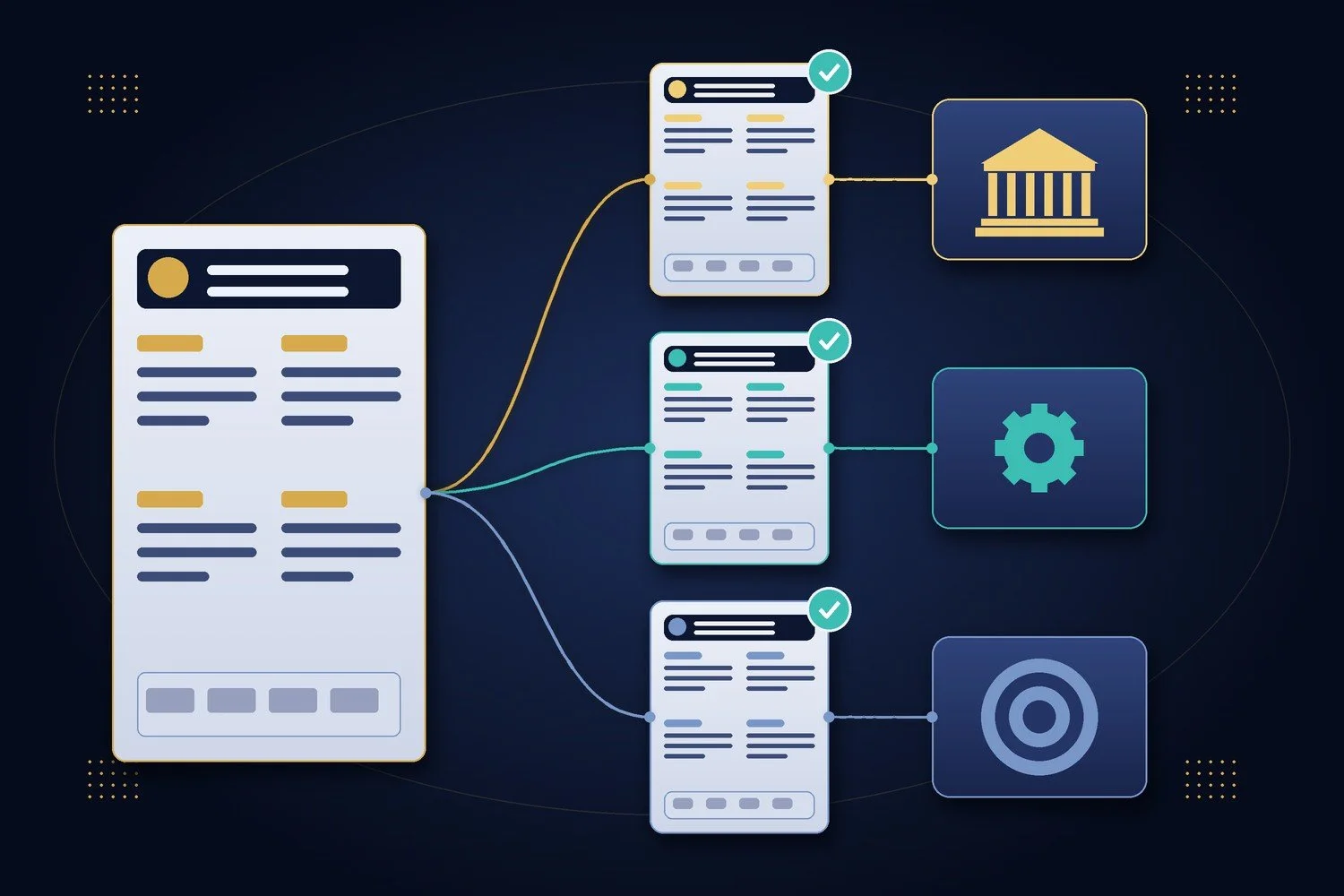
The SBA notes that "You can have multiple versions for different audiences." A practical approach is to keep one master statement with all your verified data, then create short tailored versions for each audience.
| Version for an agency | Version for a prime contractor | |
|---|---|---|
| Lead with | How you support the agency's mission and requirements | Which piece of the prime's work you can take on |
| Core competencies | Matched to the agency's buying language | Matched to the prime's contract scope |
| Past performance | Government work first, then relevant commercial work | Work that shows you can deliver as part of a team |
| Differentiators | Why you're a low-risk choice for the agency | How you help the prime perform and meet its goals |
| Company data | UEI, CAGE, NAICS, PSC, certifications you hold | Same, plus any status that fits the prime's subcontracting goals |
Update each version whenever your SAM.gov registration, codes, certifications or contact details change.
Common Capability Statement Mistakes to Avoid
- Listing everything you've ever done instead of what the target needs
- Generic differentiators that any competitor could claim
- Claiming certifications or past performance you can't back up
- Data that doesn't match SAM.gov, such as a different business name, address or NAICS list
- Missing UEI or CAGE code, or still showing an old DUNS number
- Dense paragraphs and tiny fonts that make a one-pager hard to scan
- No clear point of contact, or contact details that go to an unmonitored inbox
Frequently Asked Questions
How long should a capability statement be?
One page is the common standard. The SBA's guide describes it as a one-pager and notes that front and back is acceptable. If you need more room for detail, a longer brochure can be a separate document.
What should be on a capability statement for a small business?
The five core sections: core competencies, past performance, differentiators, company data (UEI, CAGE code, NAICS codes and certifications you hold) and contact information. Tailor each section to the agency or prime you're targeting.
Do I need a CAGE code and UEI on my capability statement?
If you have them, yes. They let a contracting officer or prime look you up and confirm your registration quickly. Both come through the SAM.gov registration process, and GSA notes you don't need to pay a third party to complete your registration.
How many NAICS codes should I list?
List your primary NAICS code first, then only the codes that honestly describe work you can do and support with experience. A long list of unrelated codes can make you look unfocused.
Can I write a capability statement with no government past performance?
Yes. Use relevant commercial projects or work done as a subcontractor. The SBA notes subcontractor past performance can sometimes be more relevant than prime past performance. Focus on results and how they relate to the buyer's needs.
Where can I get free help reviewing my capability statement?
APEX Accelerators offer no-cost guidance to businesses entering the government marketplace. You can also check that your profile in SBA's Small Business Search matches your statement.
This article is general information, not legal, tax or financial advice. Federal acquisition rules and registration requirements change. Confirm requirements for your situation with the relevant agency, an APEX Accelerator or a qualified professional.
Need Help Building a Capability Statement That Gets Read?
Your capability statement is only as strong as the business behind it. LGS helps founders get the foundation, positioning and delivery capacity in place to pursue federal work, from entity setup and operations to virtual staffing and government contracting readiness.
Book a 30-minute Service Q&A to talk through where you are, or contact our team. Prefer to start on your own? Grab our Free Business Road Map and work the phases at your own pace.